
Free Shipping
Ships Today
All Categories

+88-02-8416921
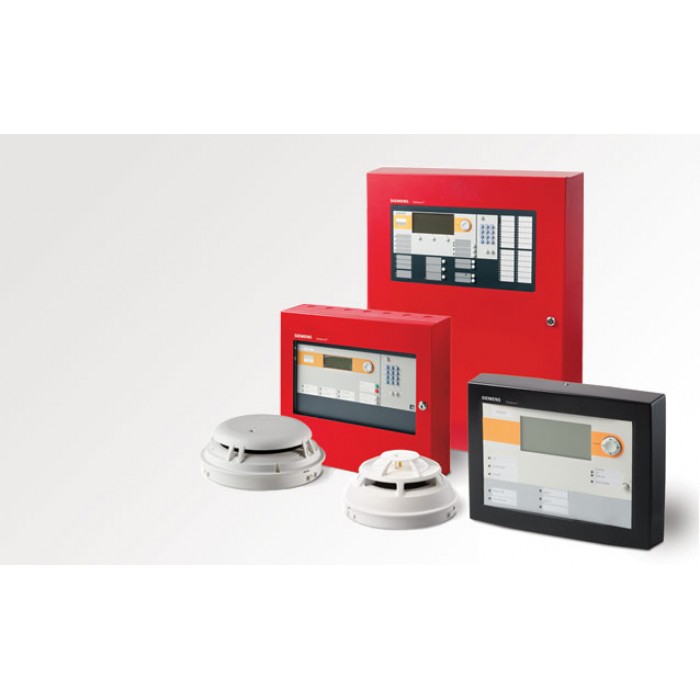
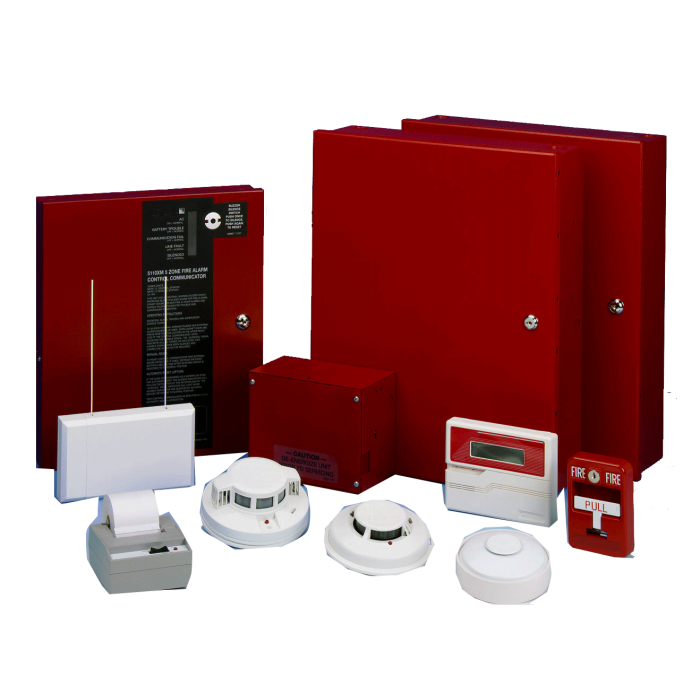
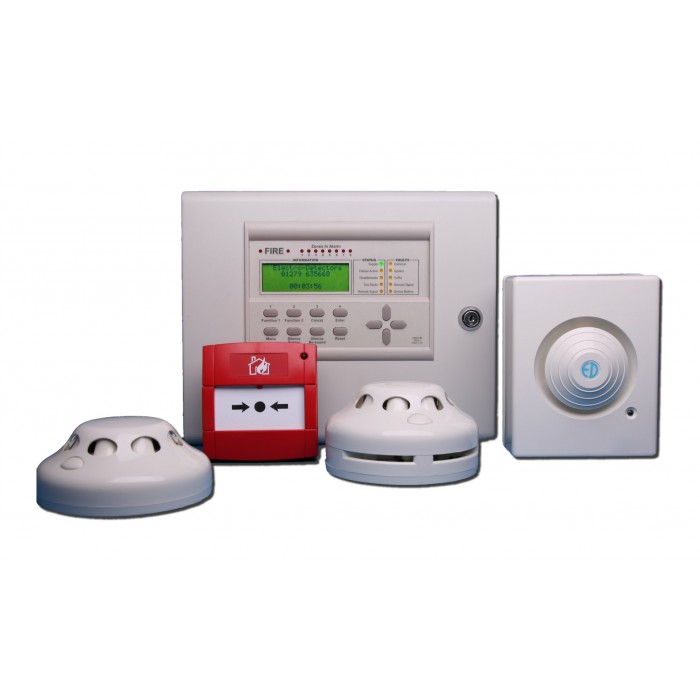
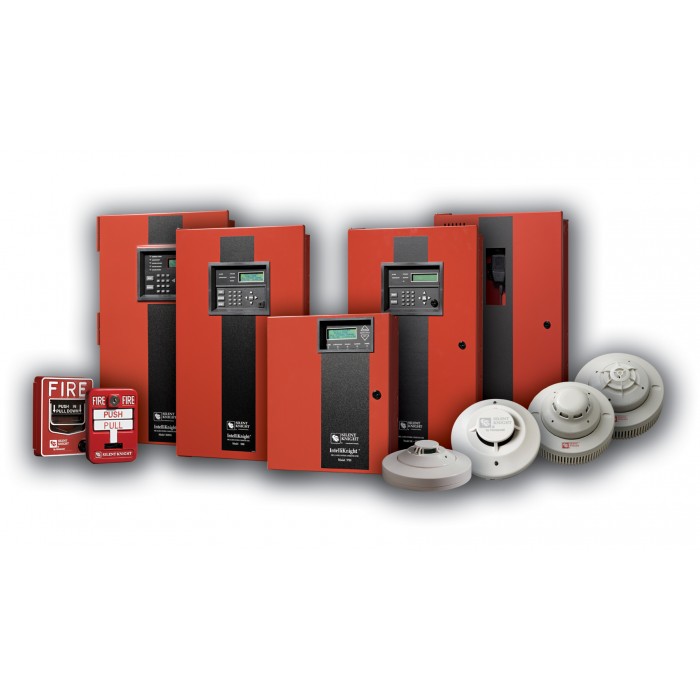
Cerberus PRO – An Intelligent Fire Protection SystemCerberus PRO is an excellent fire protection system for a variety of applications.This industry le..
Free Shipping
Ships Today
Easy
Returns
Lowest Price
Guarantee
Cerberus PRO – An Intelligent Fire Protection System
Cerberus PRO is an excellent fire protection system for a variety of applications.This industry leading system ensures maximum safety and optimal protection of people and assets, business security and processes.
The fire protection system Cerberus PRO includes:
Fire control panels – with intelligent technology for powerful protection
Fire detectors – that ensure fast, reliable detection with patented technology
Peripheral devices – for comprehensive fire safety
Guardian Technologies is one of the fastest growing factory authorized dealers of Silent Knight and Farenhyt fire alarm systems. Silent Knight offers the widest range of addressable products on the market and with an end-to-end solution that provides unprecedented levels of power and control.
Silent Knight continually engineers the best-of-class products that respond to your ever-changing needs and they have a proven track record of innovation. Silent Knight invented the first digital fire communicator, the first dedicated power supply, and the first addressable integrated control communicator in distribution.
Silent Knight's Farenhyt fire alarm control products are specifically designed for use in large engineered systems. Whether you want a full-service system or basic add-on equipment, Farenhyt can tailor a solution for your unique situation.
Farenhyt gives you more choice, flexibility and control.
The fire alarm system can be set off automatically by smoke detectors, heat detectors or manually. These sensors are set to detect certain levels of heat or smoke that could be an indication of fire. A loud bell or a siren, sometimes accompanied by blinking or flashing lights for individuals who have hearing problems, blasts to alert occupants in the building. To truly understand how a fire alarm system works, let us go further into the components of the fire alarm system. In a fire alarm system there is always a smoke detector to detect smoke or fire.
Another aspect of how a fire alarm system works is the heat sensor or also called thermal sensor. A fire alarm system works by way of heat sensor in quite simple way. The heat sensor monitors the temperature in a room and any abrupt rise or sudden extreme change in temperature triggers the fire alarm.
How does a fire alarm system work by way of smoke sensor? There are two types of smoke detectors.
These are the optical detector and the ionization detector. The optical smoke detector detects smoke by using light sensors (infrared LED). When smoke particles pass through the chamber of the optical detector, it scatters light that triggers the alarm. In the ionization detector, if the smoke particle enters the chamber of the ionization detector it will reduce air ionization inside the chamber of the ionization detector and triggers the alarm.
SPECIFICATIONS
TYPE OF SYSTEM Fire Detection & Alarm System
NO. OF ZONES PROVIDED 1 to 200 zones
POWER SOURCE 230V AC
TYPE OF DETECTORS USED IN THE INSTALLATION ⦁ Ionisation type smoke detectors
⦁ Photoelectric smoke detectors
⦁ Fixed temperature cum rate of raise in temperature detectors
WIRING REQUIRED 2 wires
FAULT INDICATION/ALARM PROVIDED FOR ⦁ Open circuit in detector cabling for each zone.
⦁ Short circuit in detector cabling for each zone.
⦁ AC failure.
⦁ Battery low. (adjustable from 22 V to 23 V)
VISUAL INDICATIONS
FIRE Two flashing red LEDs in the zone under "Fire".
FAULT Two steady glowing yellow LEDs in the corresponding zone.
CHARGER ON One separate yellow LED for "Charger On" indication.
SYSTEM ON One separate green LED for "System On" indication.
AC & DC FUSE BLOWN INDICATOR Separate red color LED for AC & DC "Fuse Blown" indication.
AUDIO ALARMS Fire: A beep sound in the panel.
Fault: A continuous tone in the panel
After alarm cancellation Hooter sound changes to a low continuous tone & when another zone enunciates fire again, the main Hooter gets activated. Audio alarm can be silenced by ALARM CANCEL button.
The fire alarm system can be set off automatically by smoke detectors, heat detectors or manually. These sensors are set to detect certain levels of heat or smoke that could be an indication of fire. A loud bell or a siren, sometimes accompanied by blinking or flashing lights for individuals who have hearing problems, blasts to alert occupants in the building. To truly understand how a fire alarm system works, let us go further into the components of the fire alarm system. In a fire alarm system there is always a smoke detector to detect smoke or fire.
Another aspect of how a fire alarm system works is the heat sensor or also called thermal sensor. A fire alarm system works by way of heat sensor in quite simple way. The heat sensor monitors the temperature in a room and any abrupt rise or sudden extreme change in temperature triggers the fire alarm.
How does a fire alarm system work by way of smoke sensor? There are two types of smoke detectors.
These are the optical detector and the ionization detector. The optical smoke detector detects smoke by using light sensors (infrared LED). When smoke particles pass through the chamber of the optical detector, it scatters light that triggers the alarm. In the ionization detector, if the smoke particle enters the chamber of the ionization detector it will reduce air ionization inside the chamber of the ionization detector and triggers the alarm.
Main Functional Features of Fire Alarm System:
⦁ Detecting a fire at an early stage
⦁ Alerting and evacuating occupants
⦁ Notifying the relevant personnel
⦁ activating auxiliary functions e.g. smoke controls, lift homing etc
⦁ identifying and guiding fire fighters
⦁ Blocking Diodes for reverse current flow protection
⦁ Easy DC-termination
⦁ Easy and decent Cable management
⦁ Time effective as well as money effective for cabling
⦁ Step by step trouble shooting methodology
⦁ Contemporary DC combining and disconnecting
⦁ Space saving and orientation flexibility
⦁ Load-break rated disconnecting
⦁ Increased granularity
⦁ Traditional DC combining
⦁ Reliable electric safety to avoid hazard
⦁ Online Monitoring* (Optional for DCDB/ACDB)
SPECIFICATIONS
TYPE OF SYSTEM Fire Detection & Alarm System
NO. OF ZONES PROVIDED 1 to 200 zones
POWER SOURCE 230V AC
TYPE OF DETECTORS USED IN THE INSTALLATION ⦁ Ionisation type smoke detectors
⦁ Photoelectric smoke detectors
⦁ Fixed temperature cum rate of raise in temperature detectors
WIRING REQUIRED 2 wires
FAULT INDICATION/ALARM PROVIDED FOR ⦁ Open circuit in detector cabling for each zone.
⦁ Short circuit in detector cabling for each zone.
⦁ AC failure.
⦁ Battery low. (adjustable from 22 V to 23 V)
VISUAL INDICATIONS
FIRE Two flashing red LEDs in the zone under "Fire".
FAULT Two steady glowing yellow LEDs in the corresponding zone.
CHARGER ON One separate yellow LED for "Charger On" indication.
SYSTEM ON One separate green LED for "System On" indication.
AC & DC FUSE BLOWN INDICATOR Separate red color LED for AC & DC "Fuse Blown" indication.
AUDIO ALARMS Fire: A beep sound in the panel.
Fault: A continuous tone in the panel
After alarm cancellation Hooter sound changes to a low continuous tone & when another zone enunciates fire again, the main Hooter gets activated. Audio alarm can be silenced by ALARM CANCEL button.